1. Select a discrete app icon.








notes
Feeling overwhelmed has a way of showing up at the worst possible moments. Your to-do list grows, your chest tightens and even small tasks start to feel impossible. For survivors of trauma, the experience of overwhelm often runs deeper, and rest, the very thing your body needs, can feel out of reach.
Here is a practical look at why overwhelm happens, why rest sometimes feels hard and what you can do to find steadier ground.
According to the National Institute of Mental Health, stress responses show up physically, emotionally and mentally, often all at once.
Common signs include:
Overwhelm is your nervous system waving a flag. Your body is telling you the current load is too heavy.
Overwhelm often builds slowly. Stress stacks up faster than you release it, and your system runs out of room to absorb more.
Common drivers include:
The American Psychological Association notes that when stress becomes chronic, the body stays in a heightened state even when nothing new has happened.
If you have lived through trauma, rest is not always restorative. Sometimes the idea of slowing down feels threatening, and research helps explain why.
The Substance Abuse and Mental Health Services Administration (SAMHSA) describes trauma as an experience that can keep the nervous system on high alert long after the danger has passed. Hypervigilance (the state of constant alertness) once helped you survive, and the body does not shut that protective response off quickly.
Sleep brings its own challenges. Nightmares, racing thoughts and a sense of being unsafe in your own body keep many survivors from getting the deep rest they need.
None of this means something is wrong with you. Your body learned to protect you, and healing takes time and patience.
Small, consistent shifts calm your system faster than any single big change. Start with what feels possible today.
Pick one task instead of tackling a full list. Break tasks into five minute chunks. Let go of what does not need to happen today. Say no to one thing you would normally agree to. Lower the bar on what counts as enough.
Grounding pulls your attention back to the present moment. The National Alliance on Mental Illness recommends the 5-4-3-2-1 technique: name five things you see, four you hear, three you touch, two you smell, and one you taste.
A few other simple practices help calm the body when overwhelm spikes:
Your surroundings shape how your body feels. Small changes add up.
Predictable rhythms help a dysregulated nervous system settle. Aim for gentle, not perfect.
Comfort is a nervous system tool. Soft textures, warmth and weight send safety signals to your body, which helps lower your heart rate and slow your breathing.
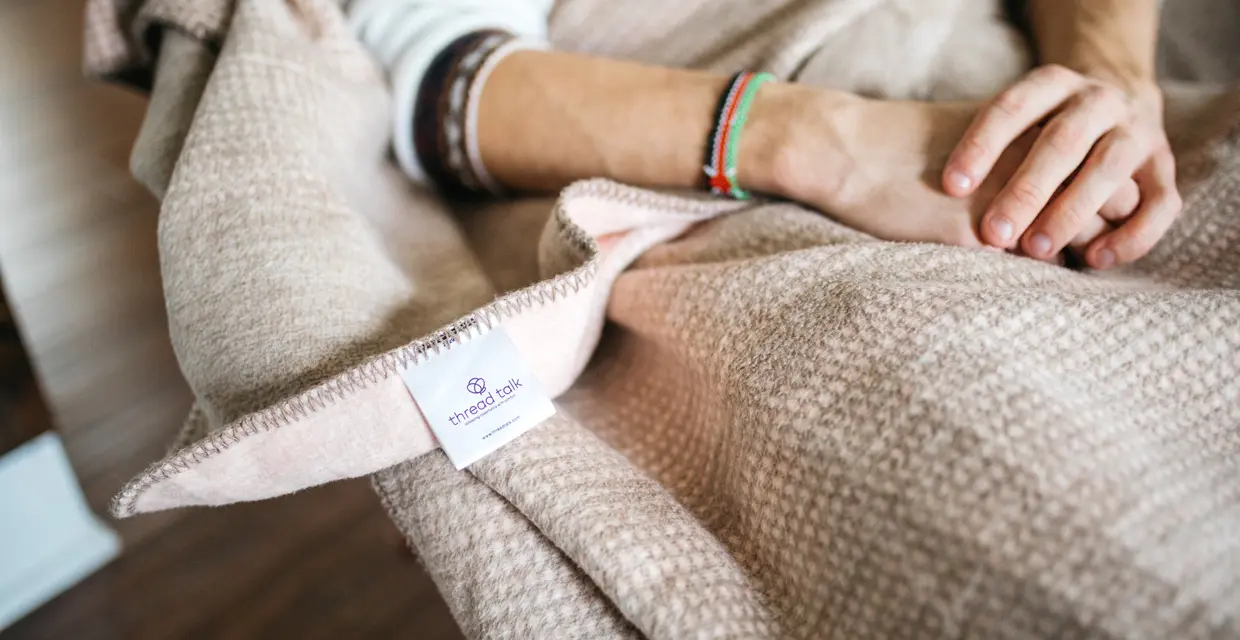
A cozy blanket does more than warm you up. Wrapping yourself in something soft creates gentle pressure and a sense of being held, both of which help your body shift out of high alert. Pairing that with a dim room, a warm drink or quiet music compounds the calming effect.
Comfort is not a luxury. When your system is overloaded, it is part of how you come back to yourself.

Rest is productive, even when it does not feel that way. Your body rebuilds, your mind clears and your capacity returns when you stop pushing.
Signs you need rest now:
Permission sounds like: “I have done enough for today. Rest is how I keep going.”
Self-care helps, but some forms of overwhelm need more than what you give yourself. Reach out for professional support if:
Therapists, counselors or crisis line offer tools and support you deserve. If you are a survivor of domestic violence, connect with local support through DomesticShelters.org for advocacy, counseling and safety resources.
Overwhelm rarely exists in a vacuum. The people and environments around you shape how heavy it feels and how quickly you recover.
How to Show Up for Others
Check in on people who seem stretched thin. Offer help in specific ways, like dropping off a meal or running an errand, rather than saying "let me know if you need anything." Share resources that support mental well-being within your network.
Organizations have a role here, too. Employers and community groups exploring ways organizations can support emotional well-being through thoughtful gifting and giving programs help build environments that value rest and recovery. Choosing gifts from brands like Thread Talk that fund survivor support adds another layer of impact, turning everyday appreciation into care that reaches far beyond one recipient.
Feeling less overwhelmed is not about fixing everything at once. It is about lowering the pressure, giving your body signals of safety and letting rest become part of how you heal rather than something you earn.
A grounding breath, a quiet moment wrapped in a soft blanket, a text to someone who understands or a small boundary you set today all count. Each one tells your nervous system that calm is possible here.
Be patient with yourself. Healing and steadiness build slowly, and every gentle choice you make moves you closer to the rest you deserve.
Start small. Pause, take a few slow breaths and pick one thing to focus on. Use grounding techniques, reduce what is on your plate and give yourself permission to rest. Consistent small shifts help more than a single dramatic change.
Try slow breathing, the five senses grounding exercise, holding something cold or wrapping yourself in a soft blanket from Thread Talk. Stepping outside for fresh air or drinking a glass of water also helps reset your system.
Trauma keeps your nervous system on high alert. Stillness leaves space for difficult feelings to surface, and your body may equate slowing down with being unsafe. With time, support and gentle practice, rest becomes more accessible.
Yes. Tiny, consistent habits like steady sleep times, brief grounding exercises and creating a calming space at home build real relief over time. You do not need a full routine overhaul to feel better.
Your support gives hope and help to victims of domestic violence every day.

Welcome, this is your discreet connection to help.
You are safe here.
Menstruation is an experience shared by
generations of women across the globe.
Sadly, abuse is another commonly shared experience between women.
Be it physical or psychological, abuse is not OK in any form.
Period.
You are not alone.
Help is just a few clicks away.
Welcome to DomesticShelters.org, a trusted Bright Sky US partner. On DomesticShelters.org, you will find free domestic violence resources such as:
The Bright Sky US website is still open on your browser in a separate tab, so you can return to the Bright Sky US website anytime.


