1. Select a discrete app icon.








notes
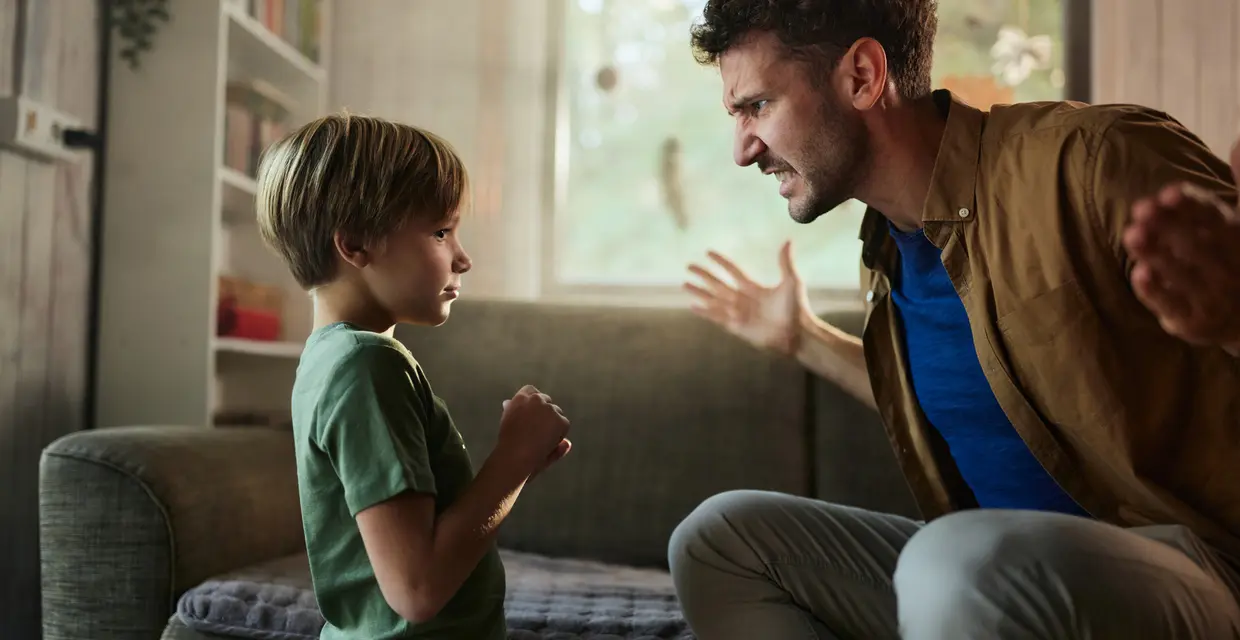
Daniel was hard on his son Justin, even as an infant. He berated Justin’s mother, Hannah, when she nursed or sang to him, or spoke to him endearingly. Daniel allowed Justin to get cold, hungry, and sunburned. He claimed this would toughen him up. Sometimes when Justin cried, Daniel blocked Hannah from comforting him, which made her weep in helpless fury. As he grew, Daniel continued to push their son toward a rough masculinity. With Daniel’s lack of protection, Justin was injured often in his childhood and became a bully at school.
Like Daniel, some domestic abusers try to extinguish the more tender aspects of their sons and turn them into “men’s men.”
What’s going on here?
Men who strongly keep to traditional masculine gender norms are more likely to engage in aggression toward others including their wives and girlfriends. Interestingly, men who have stereotyped ideas of how men should act and consider themselves inadequate, are especially likely to abuse their female partners. They try to “prove their manliness” by becoming domestic abusers.
Below, we’ll explore some of the ways domestic abusers push their sons to be more stereotypically masculine, and how it affects them. Learn how protective family members, educators, counselors and others can help.
It’s not unusual for domestic abusers to push their sons to play high-impact sports such as football and hockey. They often block their sons from participating in non-athletic or expressive activities such as reading, chess club, music, art or theater. The abusers communicate that masculinity is defined by violent physicality and dominance. It’s about beating competitors, not achieving one’s own goals. Abusive men may show up at their kids’ sports to validate themselves through their children’s successes. Of course, children cannot always win. Abusers may punish their losses, making their children into “sore losers.”
Some domestic abusers make their sons run laps until they cry or lift heavier weights than they should at their age. Domestic abusers often behave aggressively when practicing sports with their sons, knocking them to the ground or kicking a ball hard at them. In the book, Murder in the Dollhouse, author Rich Cohen describes how Fotis Dulos forced his children into a punishing sports schedule that left them exhausted and isolated. The children dutifully spent all their free time in practices because their father demanded it. Dulos was later charged with the murder of his ex-wife, Jennifer Dulos, the mother of his children.
I have known domestic abusers who pushed their sons into dangerous sports such as competitive freestyle skiing or contact combat sports. Some of the boys spoke about their terror and begged not to be forced to participate. Their fathers wouldn’t allow them to quit. Forced into dangerous situations against their will, children often develop anxiety disorders.
Psychotherapist Julie Nee recommends that in these situations, protective adults should emphasize acceptance of the child or teen’s preferences. She suggests using phrases such as, “It makes sense for you to choose activities that feel right for you.” She suggests that protective parents widen the window for children, rather than narrowing the list of options. Help the boys develop their more creative and gentler sides.
Some domestic abusers encourage their young sons to play violent video games that are rated for older children. Again, the message is clear: “be mean, be ruthless, be fearless—this is what boys and men do.”
Domestic abusers typically rate low in “emotional intelligence” and regulation. They struggle to identify their own feelings such as sadness, disappointment, loneliness, fear, shame and even love. Feelings of love imply vulnerability, which many abusers find intolerable. Instead, domestic abusers channel their feelings into a catch-all of anger. Feeling angry, they believe they are justified in striking out at family members, verbally or physically.
Domestic abusers are rattled when their partners and children show a broader range of feelings. They often try to stamp out their sons’ emotional expressions by calling them names such as wuss, wimp, fraidy-cat, little b*tch and princess. These cruel names communicate to boys that seeking comfort or showing signs of fear makes them like girls, which they deem to be less acceptable.
Abusers frequently dismiss women’s emotional responses as “dramatic” or “manipulative.” They praise emotional control in their sons and punish their sons’ tears. Amy described what happened in her family:
“Sam would get enraged at Tyler when Tyler would cry, and he’d hurt him for crying. He’d grab him and yell in his face until Tyler shut down in a kind of shock. It killed me to see this. Tyler stopped crying if his dad was around and eventually stopped crying altogether.”
Children have a natural inclination to cry when angry, ashamed, frightened, sad or disappointed. Failing to accept these feelings makes it harder for children to learn to manage them. It may make them more likely to explode in anger, dissociate or become depressed or anxious.
Domestic abusers will sometimes deliberately scare their sons. They mistakenly think that boys who experience fear will become courageous. Jimena described her husband throwing books and magazines just inches from their son, who was crying in his highchair.
“I asked him to stop because he was scaring Mateo. He said, ‘I don’t care if it scares him. He’s not a chicken.’”
Being scared makes a person more apt to experience fear in the future, or even a chronic sense of fear (anxiety). The “fight, flight or freeze” response becomes easily sparked.
Some domestic abusers use harsh punishments to promote a macho sensibility in their sons while terrifying their female partners. One such father told his son that beating him with a belt would “make him into a man.” Another mother told me how her ex-husband would look at her menacingly when he was spanking their son. The punishment served the dual purpose of frightening the boy and his mother into submission.
Ironically, intimidation and fear-based discipline reduce a child’s courage and confidence. Children feel more confident when they believe the world is safe. Children learn to be brave when they have a safe person to turn to, if things go wrong.
Tina, a survivor of intimate partner violence, described her son’s father rejecting medical advice. For instance, he insisted on feeding their son solid foods, including meat, when he was only 3 months old. He also refused to give the boy prescribed medication. The father believed that doctors and medication would turn his son “into a sissy.” Tina quotes her son’s father as saying, “My boy’s body can fight whatever it needs to on its own. I’m not going to raise a p-ssy.”
The father placed his son at risk to toughen him up, but also to get back at Tina. This has been termed spiteful disregard.
Domestic abusers often refuse to allow their sons to have psychological testing or therapy. They don’t want their children to reveal the abuse. They may tell their sons that speaking to a therapist is disloyal or a sign of “softness.” Their actions deprive their children of important opportunities to gain support and insight.
Domestic abusers often degrade mothers in front of their children. This creates distance between mothers and their children. It also interferes with the self-esteem of both the main target and the child. One survivor recounted that her husband would frequently make statements to their children such as, “Look at this piece of sh-t you call your mother.”
After separation, many abusers engage in what has been called Child and Mother Sabotage. This is a campaign to manipulate others (especially children!) into distrusting, disliking and distancing themselves from the primary domestic violence victim. Abusers fight hard in custody disputes to avoid paying child support, to wreak vengeance on their exes and simply because they want to win. These motivations may be more important than any interest in spending time with their children.
One mother described her ex telling her sons that they should ask to live only with him, because if they stayed with their mother, they would be “turned into girls.”
Another mother described her children’s father as giving their eldest son tips on how to hurt her.
“He told [our son] to spray sunscreen into my eyes. Had him lock me out of the house. Told him not to listen to anything I said. My son turned into a mini-abuser after we separated. Before, he had been the sweetest boy.”
Psychotherapist Julie Nee has a series of tips for adults who want to help boys whose fathers are domestic abusers. She suggests avoiding debate over the abuser’s statements. Instead, take steps to protect the child or teen’s sense of safety and identity. Nee reminds protective parents and others to convey messages that focus on shared values, not a child’s worth.
She suggests the following steps:
Parenting is not about making children tougher. It’s about helping children feel safe in their bodies, confident in who they are and free to choose how and when to use their power. Nee suggests that this will help children learn that they are not the problem, that their feelings make sense, and that they can be themselves.
Your support gives hope and help to victims of domestic violence every day.

Welcome, this is your discreet connection to help.
You are safe here.
Menstruation is an experience shared by
generations of women across the globe.
Sadly, abuse is another commonly shared experience between women.
Be it physical or psychological, abuse is not OK in any form.
Period.
You are not alone.
Help is just a few clicks away.
Welcome to DomesticShelters.org, a trusted Bright Sky US partner. On DomesticShelters.org, you will find free domestic violence resources such as:
The Bright Sky US website is still open on your browser in a separate tab, so you can return to the Bright Sky US website anytime.


